You rub your eyes after hours on screens, noticing blurriness or strain that lingers longer than it used to. Reading fine print feels tougher, night driving brings more glare, and that subtle haze creeps in. Age-related changes, fatigue, or oxidative stress often play roles in these shifts, leaving many searching for gentle, supportive ways to nurture eye comfort and clarity.
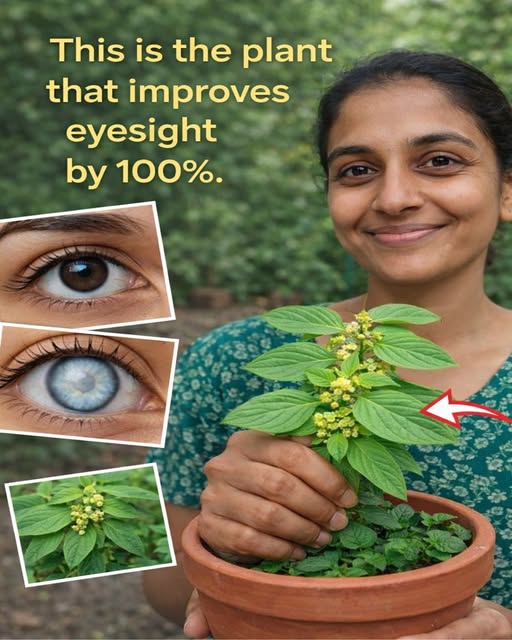
What if a common weed, long valued in traditional practices, could offer subtle aid for eye wellness? Known as asthma plant, tawa-tawa, or dugdhika, Euphorbia hirta has appeared in folk remedies across cultures for various concerns, including some eye-related applications. While bold online claims promise dramatic “improvements,” evidence stays modest—mostly traditional use and limited lab work. Yet intriguing hints emerge, especially around soothing irritation and potential protective effects.
Have you felt that persistent eye fatigue lately? Many do, especially with modern lifestyles. Exploring this plant thoughtfully might reveal supportive roles worth considering under guidance.
Understanding Euphorbia Hirta
This low-growing herb thrives in warm climates, with small green leaves, tiny flowers, and a milky latex sap when broken. Called asthma weed for its traditional respiratory uses, it also features in ethnobotanical records for skin issues, digestion, and occasionally eye comfort.
Traditional applications vary by region—some cultures applied diluted latex or sap carefully around eyelids for sores or styes, akin to surma-like remedies. Others used leaf poultices for soothing. These practices stem from generations of observation, though modern science urges caution due to the sap’s irritant nature.
You might think, “Is this safe near eyes?” Direct contact risks irritation or worse—many sources warn of potential corneal damage from latex. Always prioritize professional advice and avoid unprocessed sap in eyes.
But let’s examine where evidence points to potential benefits.