What Does It Mean When Your Hands Fall Asleep?
You may experience:
Tingling or “pins and needles”
Numbness
Temporary weakness in the fingers
A heavy or stiff feeling
This usually occurs when there is nerve compression or reduced blood flow to the hands.
 Common Causes of Hand Numbness
1. Poor Posture
Staying in one position for too long can compress nerves or blood vessels.
Examples include:
Sleeping on your arm
Resting your elbow for extended periods
Using your phone with a bent wrist
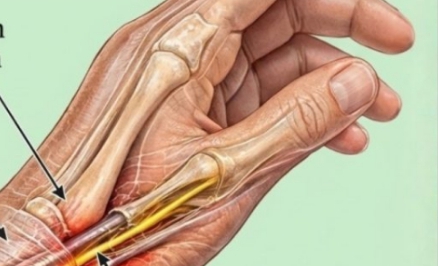
2. Nerve Compression (Carpal Tunnel Syndrome)
Repetitive movements can put pressure on the nerves in your wrist.
People at higher risk:
Office workers
Frequent smartphone users
Manual laborers
Musicians
3. Poor Circulation
Reduced blood flow can lead to tingling or numbness.
Common factors:
Lack of movement
Cold temperatures
Cardiovascular issues
4. Nutritional Deficiencies
Your nerves need proper nutrients to function well.
Deficiencies may include:
Vitamin B12
Magnesium
B-complex vitamins
5. Stress and Muscle Tension
Stress can cause tension in the neck and shoulders, affecting nearby nerves.
Possible symptoms:
Tingling sensations
Muscle stiffness
Arm discomfort
 Natural Remedies That May Help
 Hand Exercises
Keep your hands active and flexible:
Stretch your arms
Rotate your wrists
Open and close your hands
Stretch your fingers
Massage Therapy
Gently massage your hands and fingers
Use natural oils for better relaxation
Apply circular motions to improve circulation
Warm Water or Heat Therapy
Soak your hands in warm water for 10–15 minutes
Use a warm towel or compress
Healthy Diet
Include foods rich in:
Vitamin B12
Magnesium
Omega-3 fatty acids
Improve Daily Habits
Take breaks during work
Maintain proper posture
Manage stress levels
Avoid sleeping on your arms
 When Should You See a Doctor?
Seek medical attention if:
Numbness lasts for several days
You experience pain or weakness
The sensation spreads to other parts of the body
It happens frequently
 Conclusion
Hand numbness is often linked to simple factors like posture, circulation, or daily habits.
In many cases, it can improve with:
Regular exercise
Massage
Proper nutrition
Healthier lifestyle choices
However, if symptoms persist, it’s important to consult a healthcare professional.
 Taking care of your nerves and circulation today can help keep your hands strong and healthy in the future.