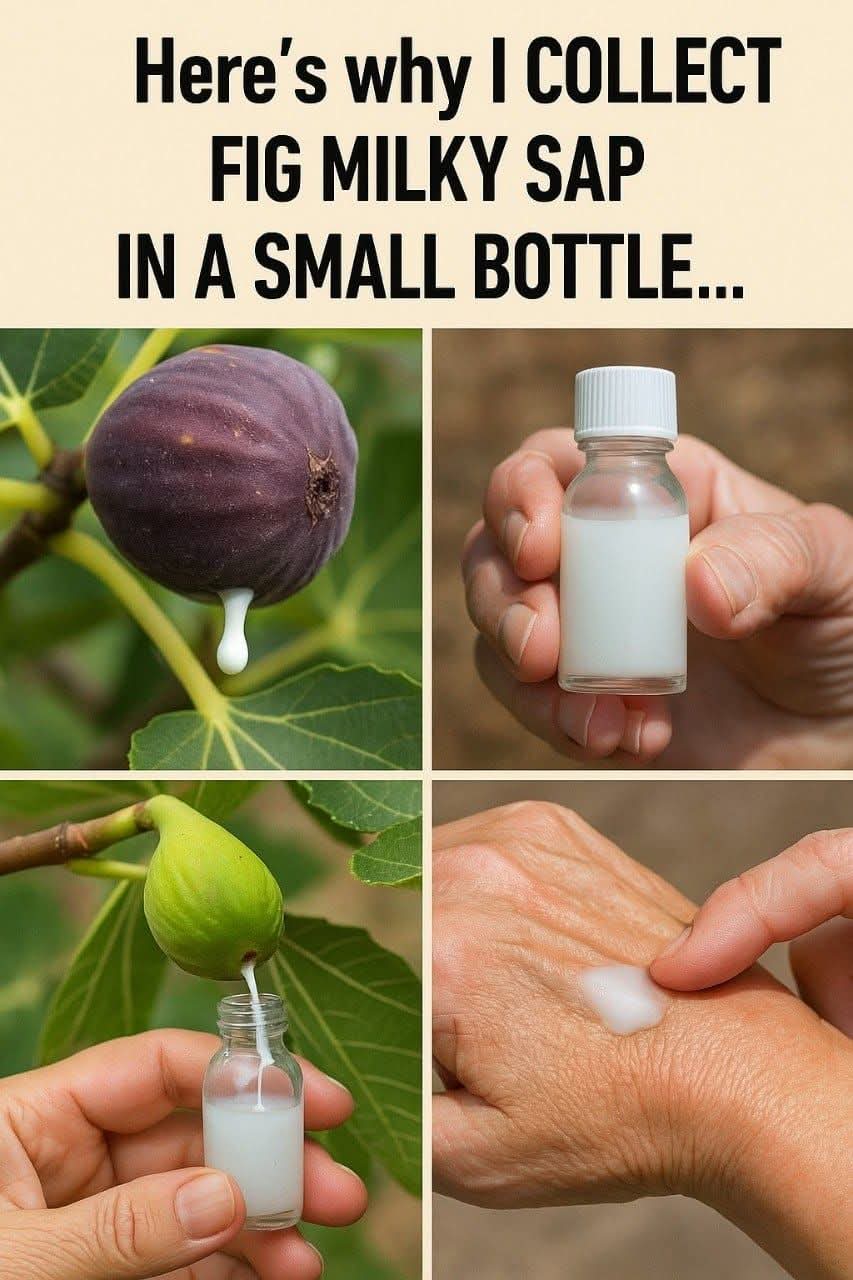
Hey there! Did you know that fig trees have more to offer than just their tasty fruit? They produce a versatile sap with many uses. In this guide, we’ll explore how you can collect and use fig sap safely, all while enhancing your sustainable living practices.
Before you start collecting fig sap, keep these important points in mind:
Put Safety First: Fig sap contains latex, which can irritate your skin and eyes. Always wear gloves and protective eyewear when handling the sap. Timing is Key: Late spring to early autumn is the best time to collect fig sap, as the tree is actively growing and the sap flow is abundant. Healthy Trees Only: Only collect sap from mature, healthy trees. This ensures you avoid stressing young or weakened trees.
collect fig sap, you’ll need the following tools and materials:
Gardening gloves
Protective eyewear
Sharp knife or clean cutting tool
Collection container, like a glass jar or plastic bowl
Follow these steps to safely collect fig sap from a fig tree:
1. Prepare Your Tools: Make sure that your tools are clean and sharp. A clean cut is less damaging to the tree. 2. Choose the Right Spot: Find a spot on a branch or trunk where you can easily make a small incision. Avoid areas that seem diseased or damaged. 3. Make a Small Incision: Carefully cut into the bark of the fig tree. The incision should be shallow and no longer than a few inches to minimize harm. 4. Collect the Sap: Position your container under the incision to catch the dripping sap. Depending on the flow, you may need to leave it for a few hours. 5. Seal the Cut: Once you have enough sap, seal the incision with a natural tree sealant or cover it with smooth mud to protect the tree from infections.