A mini stroke, medically known as a Transient Ischemic Attack (TIA), occurs when blood flow to a part of the brain is temporarily reduced or blocked. The symptoms may last only a few minutes or hours and then disappear completely. Because of this, it can be easy to dismiss them as nothing serious.
But a mini stroke is never nothing. It is a critical warning sign that should never be ignored. A TIA indicates that a larger, more damaging stroke may be on the horizon. Recognizing the signs quickly and seeking medical attention can make all the difference.
Important Note: This article is for educational purposes only and does not replace professional medical advice. If you or someone you know experiences any of these symptoms, seek medical attention immediately.
What Is a Mini Stroke?
A mini stroke happens when a temporary blockage interrupts blood supply to the brain. Unlike a major stroke, the blockage dissolves or moves on its own, and symptoms resolve without causing permanent damage. However, a TIA is a powerful warning that the underlying risk factors—such as high blood pressure, atherosclerosis, or heart disease—are present and require attention.
Approximately one in three people who experience a TIA will go on to have a full stroke in the future. Prompt medical evaluation and treatment can significantly reduce that risk.
5 Common Signs of a Mini Stroke in the Elderly
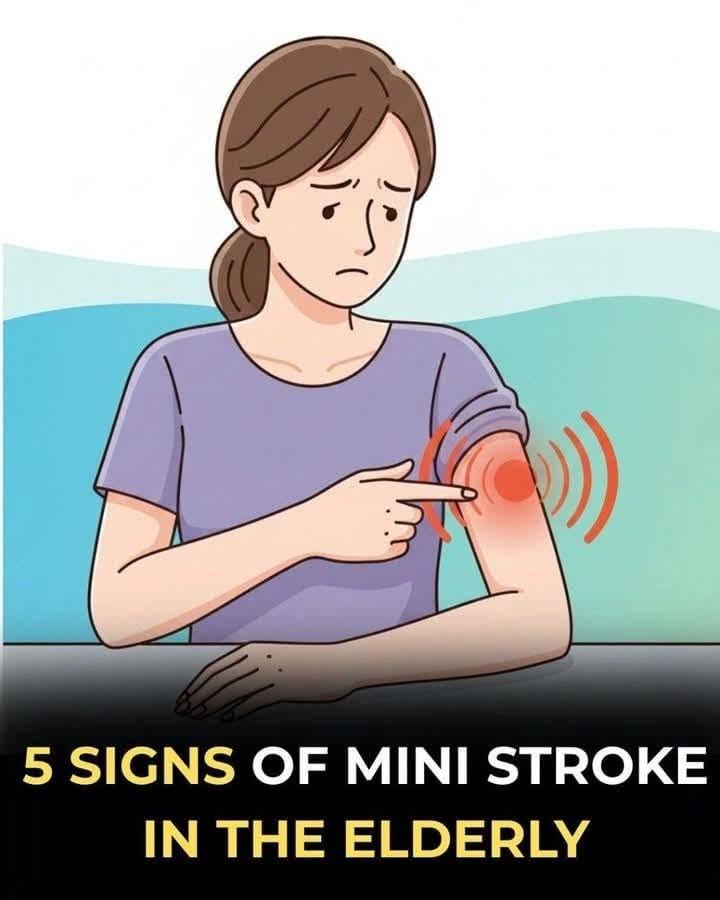
The symptoms of a TIA are the same as those of a full stroke, but they are temporary. They can appear suddenly and without warning. Here are five key signs to watch for:
1. Sudden Weakness or Numbness
A common sign is sudden weakness, numbness, or tingling, typically on one side of the body. This may affect the face, arm, or leg. The person might notice that one side of their face droops when they try to smile, or that one arm feels heavy or weak when raised.
2. Difficulty Speaking or Understanding Speech
Speech may become slurred or difficult to understand. The person might struggle to find the right words, speak in garbled sentences, or have trouble comprehending what others are saying. This symptom can appear and disappear quickly.
3. Vision Problems
A mini stroke can cause sudden vision disturbances. This might include temporary loss of vision in one or both eyes, blurred vision, or seeing double. These visual changes often last only a few minutes.
4. Dizziness or Loss of Balance
Sudden dizziness, unsteadiness, or loss of coordination can occur without any obvious cause. The person may have trouble walking, stumble, or feel as if the room is spinning.
5. Sudden Confusion or Memory Issues
Brief episodes of confusion, disorientation, or trouble remembering recent events can also be warning signs. The person may seem momentarily “out of it” or have difficulty following a conversation.