Why Immediate Attention Matters
Because the symptoms of a TIA resolve on their own, there is a dangerous temptation to ignore them. “It passed,” people think. “It must have been nothing.”
But a TIA is never nothing. It is a warning shot. It signals that there is an underlying issue—often a buildup of plaque in the arteries, a blood clotting disorder, or an irregular heartbeat like atrial fibrillation—that puts the person at high risk for a future, potentially debilitating stroke.
Medical evaluation after a TIA can identify the cause and allow for treatment that may prevent a major stroke. This may include medications, lifestyle changes, or surgical interventions.
When to Seek Help
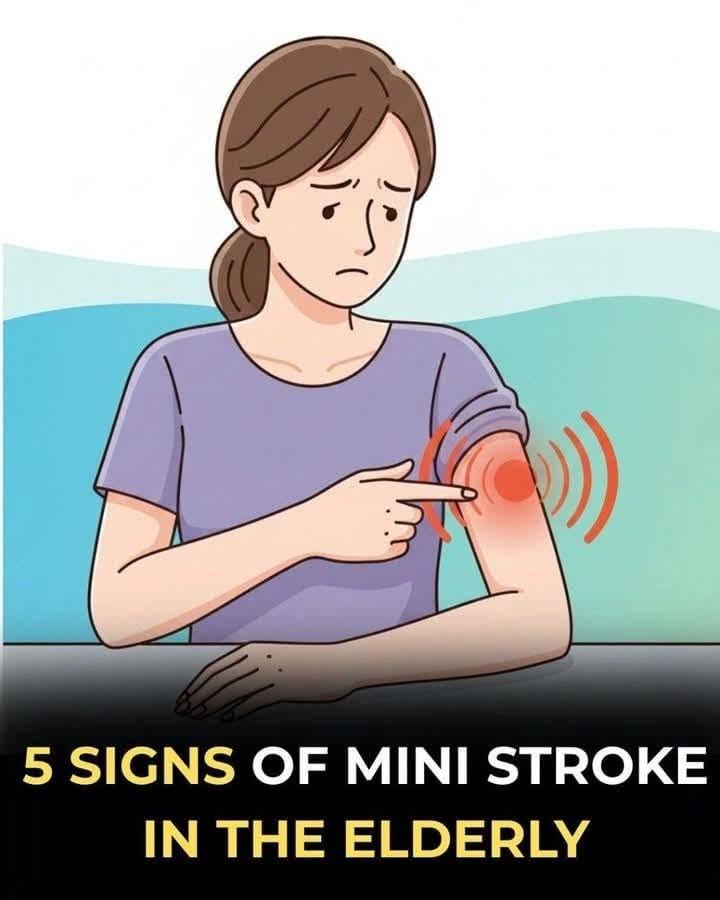
If you observe any of these symptoms in yourself or an elderly loved one—even if they last only a few minutes and seem to disappear completely—do not wait. Seek emergency medical attention immediately.
Remember the acronym FAST as a simple way to recognize stroke symptoms:
-
F – Face: Ask the person to smile. Does one side droop?
-
A – Arms: Ask the person to raise both arms. Does one arm drift downward?
-
S – Speech: Ask the person to repeat a simple phrase. Is their speech slurred or strange?
-
T – Time: If you see any of these signs, it’s time to call for help immediately.
Even if the symptoms have passed, you should still go to the hospital or contact a healthcare provider right away. Describe what happened and how long the symptoms lasted.
Final Note
Mini strokes can be easy to overlook, especially when symptoms fade quickly and the person seems to return to normal. But a TIA is a gift of warning—a chance to take action before a more serious event occurs.
Awareness and prompt response are the keys to protecting long-term health. If something seems wrong, trust your instincts and seek help. It could save a life.