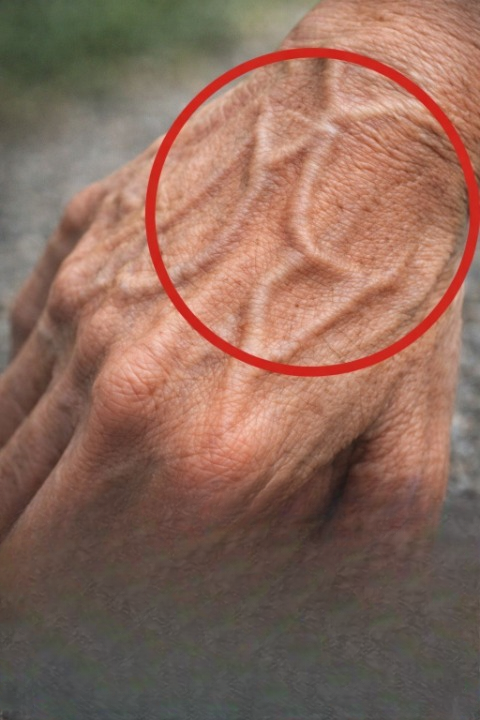
Bulging veins are a common physical change that many people notice at some point in their lives. In most cases, they are harmless and linked to natural factors such as activity level, temperature, or aging. However, in some situations, visible or swollen veins can indicate an underlying circulatory issue that may require medical attention.
Understanding why veins become more prominent—and when it might signal a problem—can help you make informed decisions about your health.
Why Veins Become More Visible
Veins are responsible for carrying blood back to the heart. Under normal conditions, they remain relatively unobtrusive beneath the skin. However, certain factors can make them appear more prominent or bulging.
One of the most common reasons is physical activity, especially exercise. During workouts, muscles expand and blood flow increases, causing veins to temporarily rise closer to the skin’s surface. This is often more noticeable in individuals with low body fat or well-developed muscle tone.
Hot weather can also play a role. Heat causes veins to dilate in order to help regulate body temperature, which can make them more visible.
Other common and generally harmless causes include:
- Natural aging, which can weaken vein walls and valves
- Genetics, which influence vein structure and visibility
- Tight clothing that restricts circulation
- Long periods of standing or sitting
- Hormonal changes, including those during pregnancy
In these cases, bulging veins are typically temporary or cosmetic rather than dangerous.
When Bulging Veins Signal a Medical Condition
While many cases are harmless, persistent or worsening vein bulging can sometimes indicate a condition known as varicose veins. This occurs when vein valves become weakened or damaged, causing blood to pool instead of flowing efficiently back toward the heart.