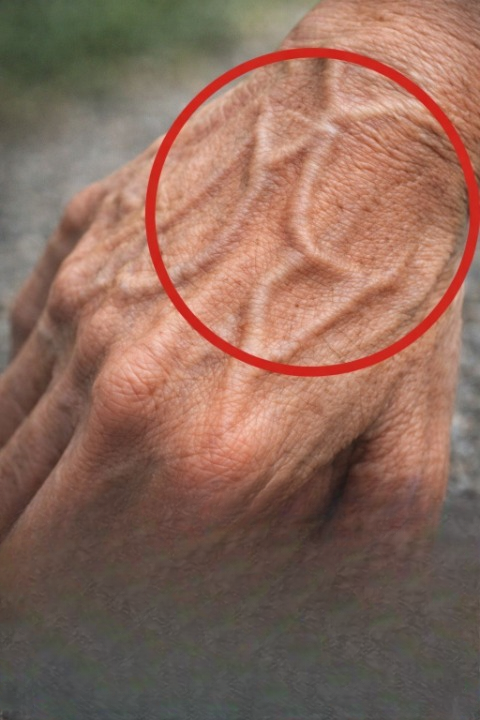
As pressure builds, veins can become enlarged, twisted, and visibly raised under the skin. This is most commonly seen in the legs, where gravity makes circulation more challenging, but it can also occur in the arms or other areas.
Several risk factors contribute to varicose veins, including:
- Family history of vein problems
- Obesity or excess body weight
- Smoking
- Pregnancy and hormonal shifts
- Occupations that require prolonged standing or sitting
Over time, untreated varicose veins may progress and become more uncomfortable or noticeable.
Symptoms That Should Not Be Ignored
Although varicose veins can start as a cosmetic concern, they may sometimes lead to symptoms such as:
- Aching or heaviness in the legs
- Swelling in the lower limbs
- Itching or irritation around the vein
- Throbbing or burning sensations
- Skin discoloration near affected areas
In more advanced cases, complications can develop. These may include venous ulcers, which are slow-healing wounds that often appear near the ankles due to long-term circulation problems.
Another potential risk is the formation of blood clots, which can become a serious medical concern if they travel through the bloodstream or affect deeper veins.
Treatment Options
Treatment for bulging or varicose veins depends on how severe the condition is.
For mild cases, lifestyle adjustments are often effective. These may include:
- Wearing compression stockings to support circulation
- Elevating the legs to reduce pressure and swelling
- Staying physically active to improve blood flow
- Avoiding long periods of sitting or standing in one position
For more persistent or severe cases, medical treatments may be recommended. These can include:
- Sclerotherapy, an injection-based procedure that closes affected veins
- Laser treatments to reduce or eliminate visible veins
- Surgical procedures in advanced cases to restore proper blood flow
A healthcare professional can determine the most appropriate approach based on individual symptoms and overall health.
Prevention and Long-Term Care
While not all cases of bulging veins can be prevented—especially those influenced by genetics—certain lifestyle habits can significantly reduce the risk or slow progression.
Helpful preventive measures include:
- Regular exercise, especially walking or low-impact movement
- Maintaining a healthy body weight
- Avoiding smoking, which damages blood vessels
- Wearing loose, comfortable clothing that does not restrict circulation
- Changing positions frequently during long periods of sitting or standing
These habits support healthy blood flow and reduce unnecessary pressure on the veins.
When to Seek Medical Advice
It is important to consult a healthcare provider if bulging veins are accompanied by:
- Persistent pain or discomfort
- Sudden swelling in one leg or arm
- Skin changes such as darkening or inflammation
- Warmth or redness over a vein
- Visible veins that worsen quickly over time
Early evaluation can help prevent complications and ensure appropriate treatment if needed.
Final Thoughts
Bulging veins are often a normal part of life, influenced by everyday factors such as movement, temperature, and aging. However, when they become painful, persistent, or visibly worsening, they may signal an underlying circulatory condition that requires attention.
By understanding the causes and recognizing warning signs early, it becomes easier to distinguish between harmless changes and those that may benefit from medical care. In most cases, simple lifestyle adjustments are enough to support healthy circulation and reduce symptoms over time.