Therefore, your doctor will look at symptoms, kidney function, and medications before suggesting changes. If you have gout or stones, lowering uric acid is standard care. If you do not, the best steps are usually broad. Manage weight, limit alcohol, reduce sugar-sweetened drinks, and stay hydrated. These choices help uric acid and glucose together. The study also examined C-reactive protein in a subset. Low CRP linked with higher odds of reaching 100 in sensitivity analyses. That fits a large literature where lower chronic inflammation aligns with better outcomes in aging. However, CRP was not available for everyone, so we cannot lean too hard on that result here. Basically, markers tied to inflammatory processes seem calmer in those who eventually reach 100.
Cholesterol and Iron
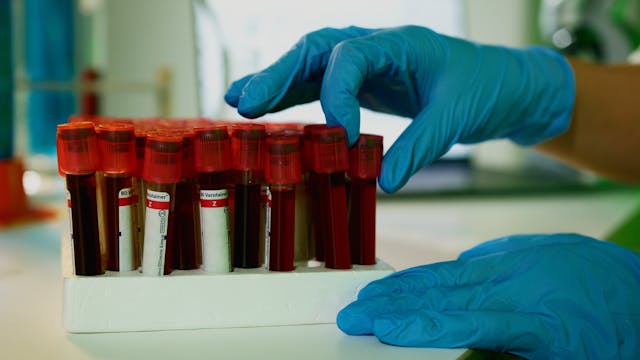 Cholesterol often sparks debate. Low total cholesterol sat with a reduced likelihood of becoming a centenarian in this cohort. High total cholesterol did not raise or lower the odds of reaching 100. That does not mean high cholesterol is safe for your heart. It means this longevity analysis, using odds across quintiles, did not find a simple linear benefit from pushing total cholesterol downward. Context is everything. Heart disease prevention focuses on LDL cholesterol, not total cholesterol alone. National guidance still targets healthy LDL levels, because LDL drives plaque formation. The CDC lists an optimal LDL near 100 mg/dL for most adults, with total cholesterol near 150 mg/dL as a population goal.
Any single number sits within a much bigger risk picture. Iron also showed nuance. Very low iron is related to lower odds of reaching 100. Low iron can reflect anemia, chronic disease, or poor nutrition. Again, extremes bring problems. Too little iron can cause fatigue and reduced exercise tolerance. Too much iron can actually harm your organs. The best approach is not to chase very low totals or very low iron. It is to keep values in healthy ranges based on your age, sex, and medical history. Your clinician can separate total cholesterol, LDL, HDL, and triglycerides and then set a plan. That plan may involve diet, exercise, and sometimes medication. For iron, the plan could include looking for blood loss, improving diet quality, or treating specific causes. The Swedish data encourage moderation and careful context over one-number obsession.
What Can You Do?
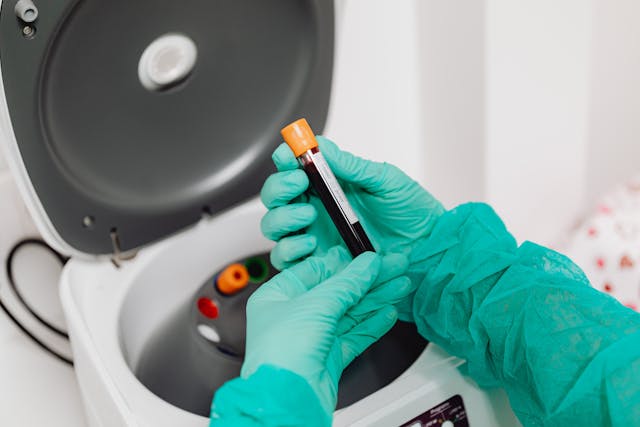
Now let’s make this practical. If you have a recent lab panel, review it with your clinician. Ask them about glucose, kidney function, liver enzymes, iron status, and cholesterol types. If glucose trends high, discuss diet quality, weight goals, movement, sleep, and stress. The ADA offers clear ranges for diagnosis and treatment targets. For kidney function, creatinine guides estimates of filtration. MedlinePlus explains this in simple terms, and those resources can help you prepare for visits. On the liver side, persistently high enzymes deserve a plan. That plan may include looking at alcohol intake, medications, viral testing, and metabolic health.