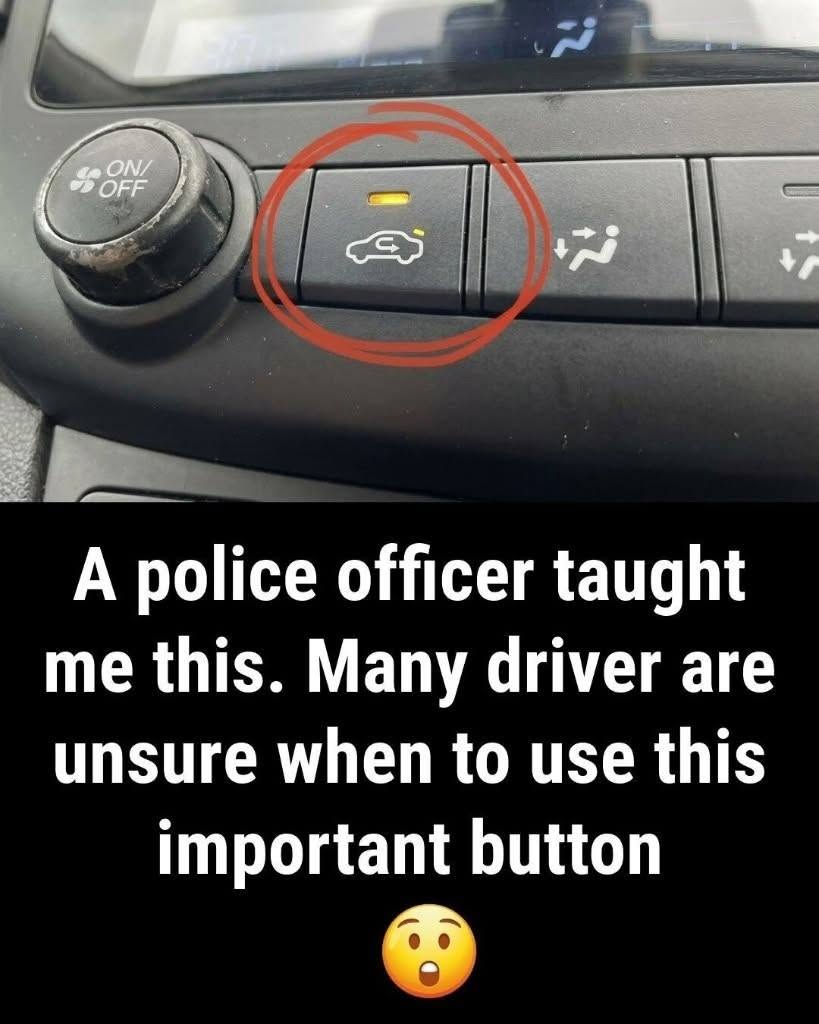
When the air recirculation system is turned off, your vehicle acts like a vacuum for the external atmosphere. It pulls outside air through the front intake vents (usually near the base of your windshield), pushes it through the cabin filter, passes it over the cooling coils or heating core, and blows it into your face.
When you press the button and the indicator light illuminates, an internal mechanical flap snaps shut. This action effectively seals the cabin off from the outside world. Instead of drawing in fresh, external air, the blower fan pulls air from inside the passenger footwells, passes it back through the climate architecture, and distributes it through the vents. It creates a closed-loop system where the same volume of air is continuously cycled.
2. The Core Benefits of Recirculation Mode
Activating this feature offers significant performance advantages across several key categories:
+------------------+------------------+------------------+
|    Efficiency    |   Air Quality    |   Longevity      |
+------------------+------------------+------------------+
| Rapid Cooling    | Blocks Toxins    | Less Strain on   |
| Lower Energy Use | Traps Allergens  | AC Components    |
+------------------+------------------+------------------+
Rapid Cabin Cooling
Imagine your car has been parked under the baking summer sun, and the interior ambient temperature has soared to a grueling 45°C. When you start the vehicle and leave the system on fresh air mode, your cooling pump must constantly pull in 35°C outside air and force it down to an icy 18°C. This requires an immense amount of thermal energy.
By switching to recirculation mode once the initial hot blast escapes, the system draws in air that has already been cooled down to 28°C, then 24°C, then 20°C. Because the system continuously re-cools already-chilled air, the cabin temperature plummets dramatically faster.
Improved Energy Efficiency

Your cooling compressor requires mechanical energy from the engine to operate. When the cooling system works under maximum load, it places a higher energy demand on the entire powertrain.
By utilizing the closed-loop recirculation setting, you reduce the workload on the compressor. Once the cabin reaches the target temperature, the compressor cycles less frequently, which directly translates to optimized fuel economy or saved battery range for electric vehicle models.
Respiratory Protection
When you drive through heavy urban traffic, a dense tunnel, or behind an older commercial transport vehicle, the ambient atmosphere is thick with fine particulates, unburnt fuel vapor, and toxic exhaust elements. Leaving the intake open means you are directly inhaling these bypass products. Engaging the closed-loop system acts as an instant shield, preventing these external toxins from entering your immediate environment.
3. When You Must Activate the Button
To get the most out of your vehicle’s climate controls, it helps to understand the ideal driving scenarios for this feature.
       [ WHEN TO ENGAGE RECIRCULATION ]
                      |
     +----------------+----------------+
     |                                 |
[Extreme Heat]                 [Heavy Traffic]
- Accelerates cooling          - Blocks toxic exhaust
- Saves compressor wear        - Keeps cabin air clean
-
During Gridlock and Urban Intersections: If you find yourself crawling at a snail’s pace surrounded by dozens of idling exhaust pipes, turn the recirculation feature on immediately. This stops the concentrated pocket of carbon monoxide and soot from entering your breathing zone.
-
Driving Through Polluted or Dusty Landscapes: Passing through an industrial zone, agricultural fields undergoing harvesting, or dry gravel roads generates massive clouds of airborne particulate matter. Keeping the system closed ensures your interior remains clean and dust-free.
-
High Allergy Seasons: For drivers who suffer from seasonal allergies, external air can carry high concentrations of pollen directly into the cabin. Recirculating the interior air through the system keeps these allergens out.
-
Passing Smelly Areas: Whether you are driving past a water treatment facility, an agricultural farm, or a fresh asphalt construction zone, engaging the button instantly blocks unpleasant external odors.
4. When You Should Deactivate the Button
While the closed-loop system is incredibly useful, keeping it on indefinitely can create structural and physiological issues. You should turn it off and return to fresh air mode during these specific situations:
     [ WHEN TO DISABLE RECIRCULATION ]
                      |
     +----------------+----------------+
     |                                 |
[Cold/Damp Weather]             [Long Journeys]
- Prevents window fog          - Replenishes oxygen
- Clears frost quickly         - Reduces passenger fatigue
Cold, Rainy, or Wintry Conditions
When it rains or drops to freezing temperatures outside, human breath introduces significant moisture into the small cabin space. If you leave the recirculation button on, this humidity gets trapped and continuously builds up.
As the highly humid internal air comes into contact with the freezing glass windshield, it reaches its dew point, causing the glass to instantly fog up or mist. To clear a foggy window, you need to turn recirculation off and activate fresh air mode so dry external air can sweep away the moisture.
Long-Distance Highway Journeys
If you are driving solo or with multiple passengers on a road trip lasting several hours, sealing the cabin indefinitely will cause carbon dioxide levels to gradually rise while oxygen levels drop. This can result in a stuffy environment that induces drowsiness, headaches, and slower mental reaction times for the person behind the wheel. Every 45 to 60 minutes, open the system to fresh air for a short period to completely purge the cabin atmosphere.
Initial Entry into a Hot Car
When your vehicle has been sitting in the sun, the interior plastics and upholstery can release trapped heat and volatile organic compounds. Do not get in and immediately turn on recirculation. Instead, roll down all the windows, set the system to fresh air mode for the first two minutes to blast out the superheated, stagnant air, and then roll up the windows and engage recirculation for optimal cooling performance.
5. Troubleshooting Common Recirculation System Issues
If you notice your climate system isn’t working as well as it used to, check for these common issues:
The Cabin Develops a Musty, Moldy Smell
Because the closed-loop setting deals with rapid cooling, moisture can settle inside the dark evaporator housing behind your dashboard. If left unchecked, this damp environment can develop mildew.
Pro-Tip: To resolve or prevent this, turn off your cooling feature about two minutes before reaching your destination, but leave the main blower fan running on high. This simple step dries out the internal evaporator core, ensuring your system stays fresh.
The Air Quality Feels Heavy even with Fresh Air Activated
If your system feels weak or fails to stop odors effectively when closed, your cabin air filter might be completely choked with debris. Most car manufacturers recommend swapping out this filter every 15,000 to 25,000 kilometers. A clogged filter restricts overall airflow and puts extra mechanical strain on your blower motor.
Quick Reference Summary Table
| Operational Scenario | Recommended Setting | Primary Engineering Objective |
| Initial startup on a boiling day | Fresh Air (First 2 mins) | Purges superheated air out of the cabin |
| Cruising on a hot highway | Recirculation ON | Maximize cooling speed and fuel economy |
| Stuck in a heavy city gridlock | Recirculation ON | Shields passengers from dangerous exhaust fumes |
| Driving through heavy rain | Recirculation OFF | Lowers relative humidity to prevent window fogging |
| Freezing winter mornings | Recirculation OFF | Uses dry external air to rapidly clear frost |
| Long multi-hour road trips | Alternate Settings | Prevents carbon dioxide buildup and driver drowsiness |
Understanding how to balance these settings gives you complete control over your driving environment. Use this feature wisely to enjoy a more comfortable, efficient, and healthy ride!