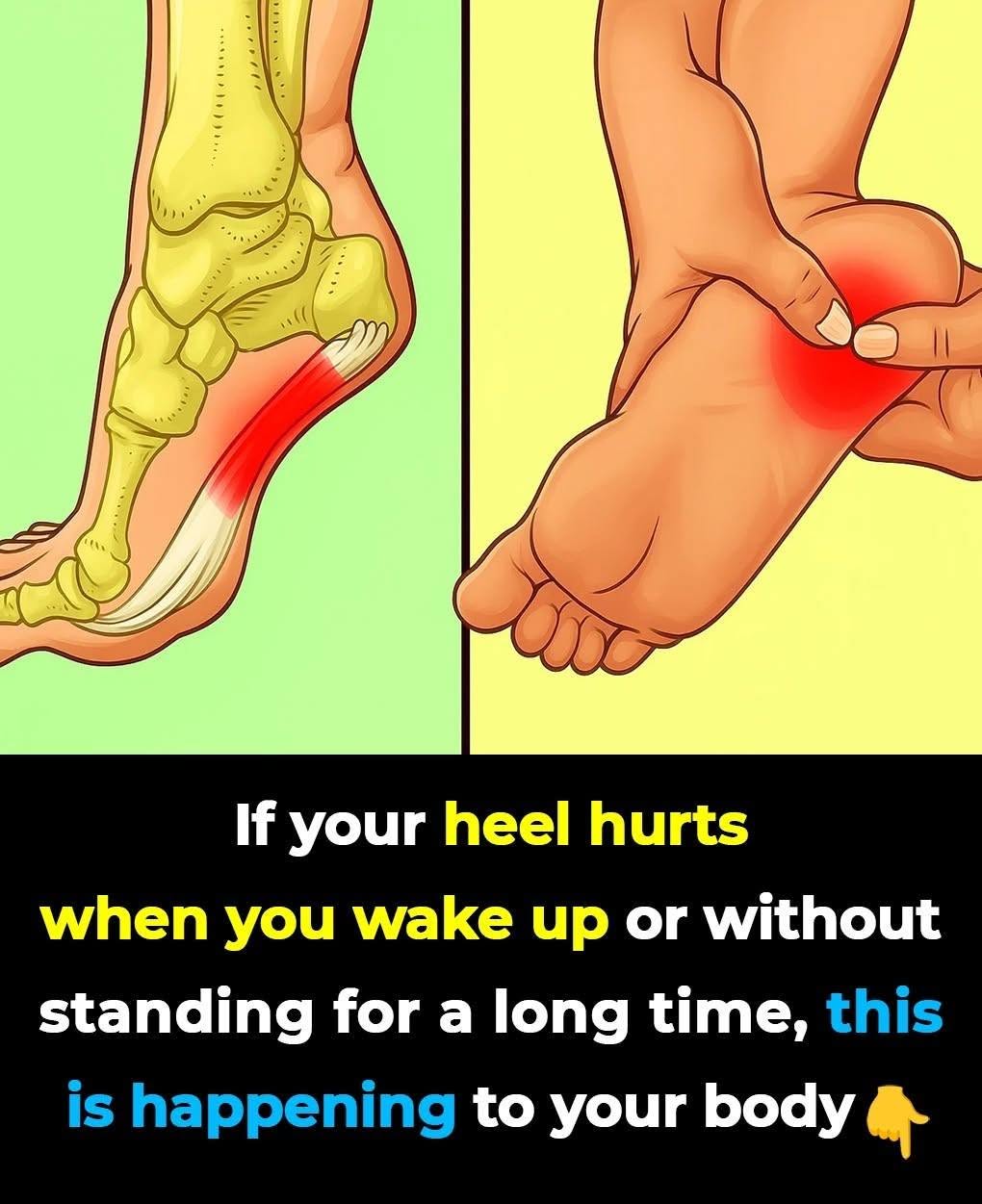
Fortunately, many cases improve with conservative treatment. Resting the affected foot and reducing activities that aggravate symptoms are often the first recommendations. Applying ice to the painful area for short periods may help reduce inflammation and relieve discomfort.
Stretching exercises can also play an important role in recovery. Gentle stretches targeting the calf muscles, Achilles tendon, and plantar fascia may improve flexibility and reduce tension on the heel. Many physical therapists recommend performing these exercises before getting out of bed in the morning.
Footwear choices are equally important. Shoes with adequate arch support and cushioning can help distribute pressure more evenly across the foot. Worn-out shoes or flat footwear lacking support may worsen symptoms and slow recovery.
For some individuals, orthotic inserts provide additional relief by supporting the natural arch of the foot. These devices may reduce strain on the plantar fascia and improve walking comfort throughout the day.


Preventing heel pain often involves a combination of healthy habits. Maintaining a healthy body weight reduces pressure on the feet, while regular stretching helps keep muscles and connective tissues flexible. Individuals who spend long hours standing should take periodic breaks and wear supportive footwear whenever possible.
Experts also recommend paying attention to early symptoms. Mild discomfort that appears only occasionally can sometimes progress into chronic pain if ignored. Seeking treatment early often leads to faster recovery and better long-term outcomes.
Most cases of plantar fasciitis improve within several months when appropriate measures are taken. However, severe or persistent symptoms may require additional treatments such as physical therapy, night splints, or other interventions recommended by a medical professional.
Ultimately, morning heel pain is not something people should simply accept as a normal part of aging. While the condition is common, it often responds well to proper care and preventive strategies. Understanding the underlying cause, making supportive lifestyle changes, and seeking medical advice when necessary can help restore comfort and keep you moving with confidence every day.