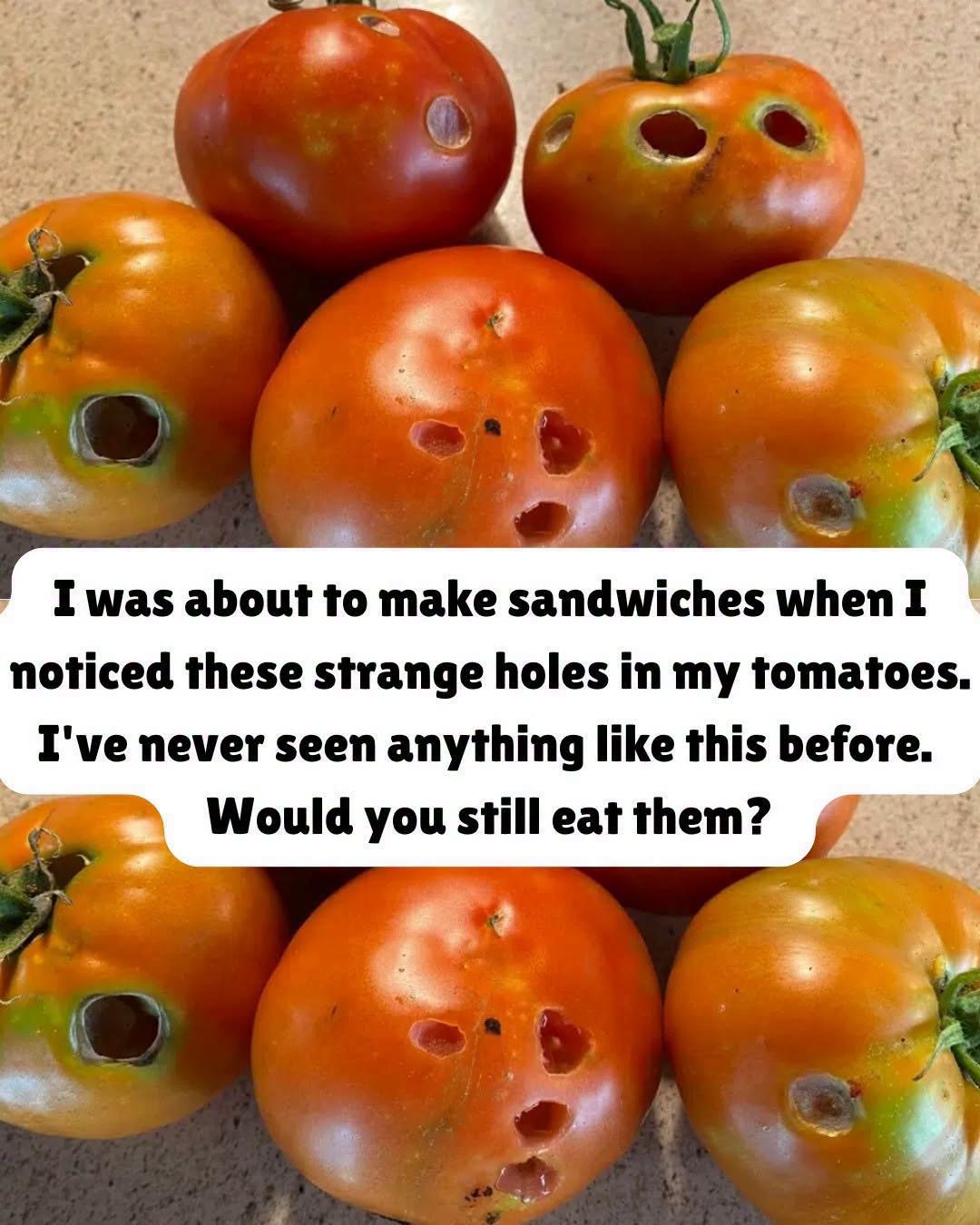
So, is it safe to eat a tomato with a hole? It depends. If the damage is small and there are no signs of insects, mold, or bad odors, you can simply cut away the affected part and use the rest. However, if the hole is large, the fruit smells off, or there’s visible mold, it’s best to throw it out.
Preventing holes starts with early detection. Regularly inspect your plants for pests hiding under leaves or near fruit. Remove any insects you find before they multiply. Consistent watering is also essential, as fluctuations can cause splitting that attracts bugs.
To protect ripening fruit from animals, cover your plants with bird netting or lightweight garden fabric. This barrier helps deter curious birds and squirrels without harming them.
Next»»Companion planting can also help. Basil, marigolds, and garlic naturally repel certain pests and enhance your garden’s overall health.
Recent Articles

Waking up with dry mouth? Here’s what your body might be telling you
The Purple Flag at the Beach: What It Really Means (And Why You Should Pay Attention) 1

How to Clean a Fan Without Taking It Apartv….See more