Although it is usually safe, it does not always work well for all people or skin types.
Very oily or acne-prone skin
In some people, using too much petroleum jelly can cause a heavy feeling or trigger breakouts if the skin is not properly cleaned.
Very humid climates
In hot environments it may feel uncomfortable or too thick.
On dirty skin
A common mistake is applying it without properly cleansing your face. Because it creates a barrier, it can also trap dirt or sweat.
Common mistakes when using petroleum jelly on the face
Apply excessive amounts
More doesn’t mean better. A very thick layer can feel heavy and unpleasant.
Use it as your only anti-aging product
Petroleum jelly moisturizes, but it doesn’t replace ingredients that have more solid studies on skin aging, such as:
- Retinoids
- Sunscreen
- Niacinamide
- Vitamin C
Do not use sunscreen
Something many people don’t know is that sun damage is one of the main causes of premature wrinkles. No cream will compensate for a lack of daily sun protection. How to use petroleum jelly correctly
If you want to try it, it’s best to do so in a simple and moderate way.
Basic recommendations:
- Gently wash your face.
- Use a light moisturizer if desired.
- Apply a small amount of petroleum jelly to dry areas.
- Preferably use it at night.
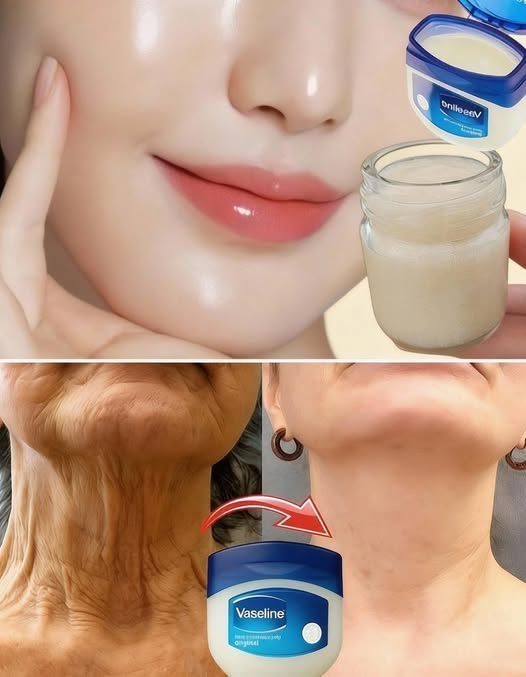
Many people practice something known as “slugging,” which involves sealing in nighttime hydration with a thin layer of petroleum jelly.
However, not all skin types react the same way, so it’s best to test it on small areas first.