10 Early Warning Signs of a Stroke Everyone Should Know to Take Prompt Action
Why Recognizing Stroke Warning Signs Can Save a Life
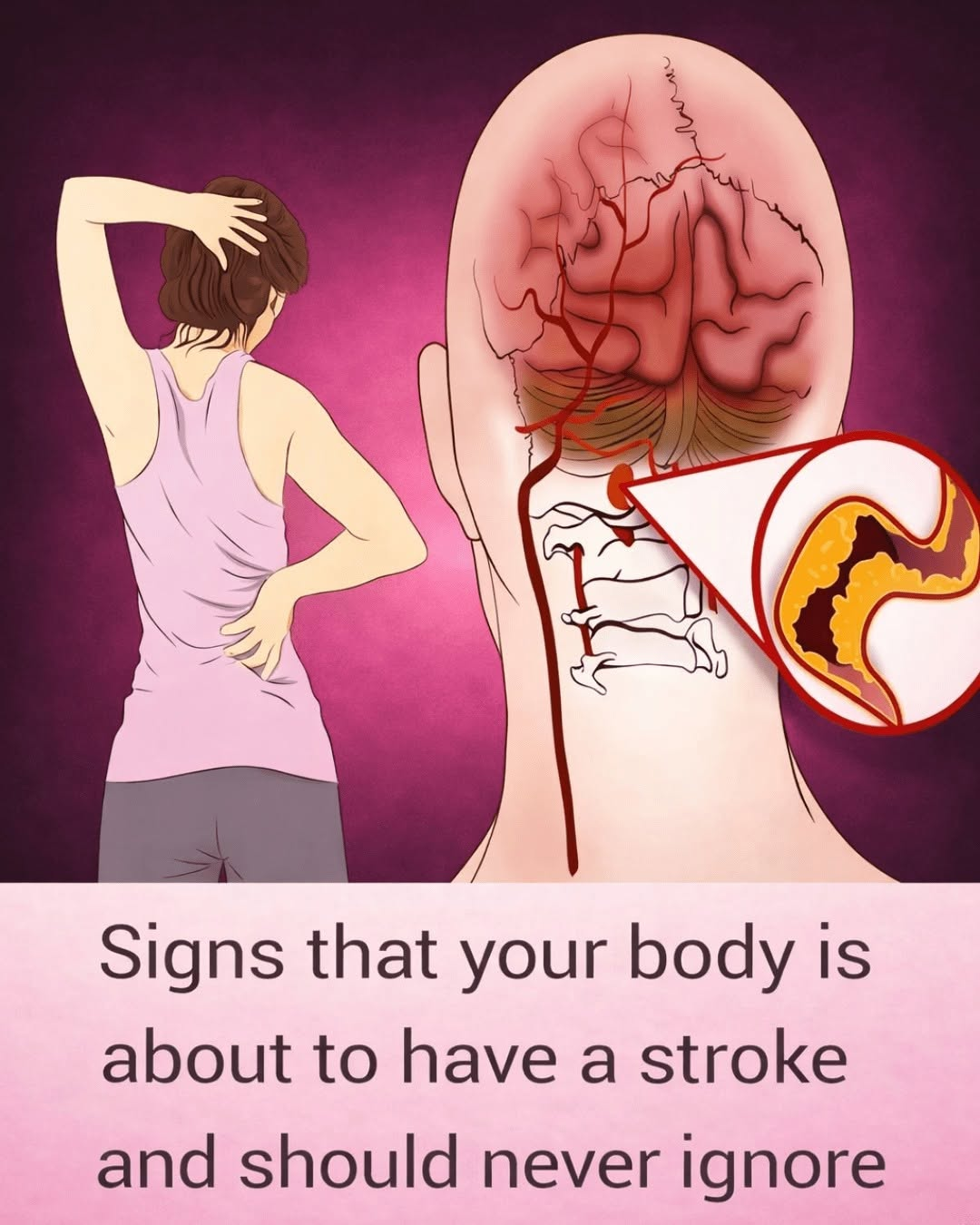
A stroke is one of the most serious medical emergencies a person can experience. It happens when blood flow to part of the brain is interrupted or when a blood vessel in the brain breaks and causes bleeding. Because the brain depends on a constant supply of oxygen and nutrients, even a short interruption can lead to damage.
The most important factor in stroke care is time. The faster a person receives medical attention, the greater the chance of limiting brain injury and improving recovery. Many stroke treatments are most effective when given as soon as possible after symptoms begin.
The challenge is that strokes do not always look the way people expect. Some people imagine a stroke as sudden collapse or complete paralysis, but symptoms can be more subtle. A person may experience changes in speech, vision, balance, strength, or awareness that seem minor at first.
Knowing the warning signs allows individuals and their families to act quickly instead of waiting to see if symptoms disappear.
One of the most widely recognized tools for identifying stroke symptoms is the FAST method:
F — Face: Does one side of the face droop?
A — Arms: Is one arm weak or numb?
S — Speech: Is speech unclear or difficult to understand?
T — Time: Call emergency services immediately if these signs appear.
However, strokes can involve other warning signs as well. Understanding the full range of symptoms can help people recognize an emergency earlier.
What Happens During a Stroke?
The brain controls movement, speech, memory, emotions, vision, and many automatic body functions. Different areas of the brain control different abilities, which means stroke symptoms can vary depending on which part of the brain is affected.
There are two main types of stroke:
Ischemic Stroke
An ischemic stroke occurs when a blood clot blocks a blood vessel supplying the brain. This is the most common type of stroke.
Without enough blood flow, brain cells begin to suffer damage. Emergency treatments may focus on restoring circulation and preventing further injury.
Hemorrhagic Stroke
A hemorrhagic stroke occurs when a blood vessel in the brain ruptures and causes bleeding. This can increase pressure inside the skull and damage surrounding brain tissue.
Both types require urgent medical attention.
1. Sudden Weakness or Numbness
One of the most common warning signs of stroke is sudden weakness or numbness, especially on one side of the body.
This may affect:
The face
One arm
One leg
One side of the body
A person may notice that one arm feels unusually heavy or that they cannot lift it normally. They may also experience tingling, loss of sensation, or difficulty controlling movement.
The key word is sudden. Stroke symptoms often appear quickly rather than developing gradually over days or weeks.
If someone suddenly loses strength or feeling on one side of the body, it should be treated as a medical emergency.
2. Facial Drooping
A stroke can affect the muscles responsible for facial movement.
A person’s face may appear uneven, with one side drooping or feeling weak. Their smile may become crooked, or they may have difficulty moving one side of their mouth.
A simple test is to ask the person to smile. If one side of the face does not move normally, urgent medical attention is needed.
Facial changes may be subtle, but they can be an important warning sign.
3. Trouble Speaking or Understanding Speech
Sudden changes in speech are another major warning sign.
A person having a stroke may:
Slur their words
Have difficulty finding the right words
Speak in a way that does not make sense
Struggle to understand what others are saying
These changes happen because a stroke can affect areas of the brain responsible for language.
A person may know what they want to say but be unable to express it clearly. Others may notice that their speech sounds unusual or confused.
Any sudden communication difficulty should be taken seriously.
4. Sudden Vision Problems
Stroke can affect vision in one or both eyes.
Possible symptoms include:
Blurred vision
Double vision
Loss of vision
Difficulty seeing clearly on one side
Some people may not immediately recognize a vision problem because it can occur without pain.
Sudden changes in eyesight should never be ignored, especially when they appear along with other possible stroke symptoms.
5. Severe or Unusual Headache
A sudden, intense headache can sometimes be a warning sign of stroke, particularly a hemorrhagic stroke involving bleeding in the brain.
This type of headache may feel different from a person’s usual headaches. It may appear suddenly and be extremely severe.
It may also occur with:
Nausea or vomiting
Neck stiffness
Confusion
Loss of consciousness
Not every severe headache is a stroke, but a sudden and unusual headache requires medical evaluation.
6. Loss of Balance or Coordination
A stroke can interfere with the brain’s ability to control movement and balance.
A person may experience:
Dizziness
Difficulty walking
Poor coordination
Trouble standing
Sudden clumsiness
They may appear unsteady or unable to move normally.
Because balance problems can have many causes, people sometimes dismiss them. However, sudden balance issues—especially combined with other symptoms—can signal a stroke.
7. Confusion or Sudden Changes in Mental Awareness
A person experiencing a stroke may become confused or have difficulty understanding what is happening.
Signs can include:
Sudden disorientation
Trouble following a conversation
Difficulty recognizing familiar people or places
Unusual behavior
These symptoms may occur because the brain areas responsible for thinking and awareness are affected.
A sudden change in mental state should always be taken seriously.
8. Difficulty Walking
Walking problems can occur when a stroke affects areas of the brain responsible for movement and coordination.
Someone may suddenly:
Lose control of their steps
Feel unable to walk normally
Drag one foot
Become extremely unsteady
If a person who normally walks well suddenly struggles with movement, it may indicate a neurological emergency.