4 Everyday Habits That May Increase Your Risk of Heart Failure—And Healthier Alternatives
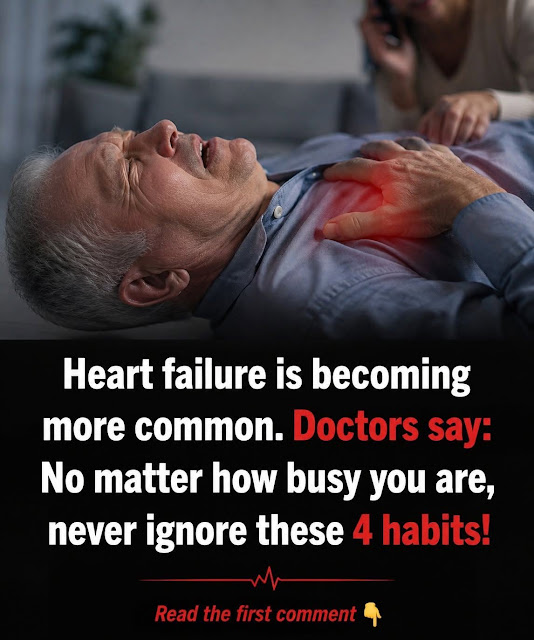
Heart failure is one of the leading causes of hospitalization worldwide, affecting millions of people and placing a significant burden on individuals, families, and healthcare systems. According to estimates from the World Health Organization (WHO), the World Heart Federation, and the American Heart Association (AHA), more than 26 million people around the world are living with heart failure, and the number continues to rise as populations age and chronic conditions become more common.
Despite its name, heart failure does not mean the heart has stopped working. Instead, it means the heart is unable to pump enough blood efficiently to meet the body’s needs. As the heart becomes less effective, vital organs and tissues receive less oxygen and fewer nutrients. This can lead to symptoms such as fatigue, shortness of breath, swelling in the legs or ankles, and difficulty performing everyday activities.
Although heart failure is generally considered a chronic condition, modern treatments—including medications, medical devices, and healthy lifestyle changes—can significantly improve symptoms and quality of life. In some cases, people experience substantial improvement in heart function, sometimes referred to as heart failure with improved ejection fraction or heart failure remission, depending on the underlying cause and individual response to treatment.
One of the most powerful ways to protect your heart is by recognizing daily habits that may increase your risk over time. While no single habit causes heart failure on its own, certain lifestyle choices can contribute to high blood pressure, coronary artery disease, obesity, and diabetes—all major risk factors for developing heart failure.
Here are four common habits that may negatively affect your heart, along with healthier alternatives.
1. Consuming Too Much Salt
Salt (sodium) is essential for normal body function, but consuming too much can contribute to high blood pressure, one of the strongest risk factors for heart failure.
When sodium intake is high, the body retains extra water. This additional fluid increases the workload on the heart and blood vessels, making it more difficult for the heart to pump efficiently. For people who already have heart failure, excess sodium can worsen symptoms by increasing fluid retention, leading to swelling and shortness of breath.
The American Heart Association recommends limiting sodium intake, especially for people with heart disease or high blood pressure. Healthcare providers may recommend stricter sodium limits for individuals living with heart failure based on their specific needs.
Common High-Sodium Foods
Many people assume the salt shaker is the main source of sodium, but most dietary sodium comes from processed and restaurant foods, including:
- Canned soups
- Processed meats such as bacon, ham, and sausage
- Fast food
- Frozen meals
- Salty snacks
- Pizza
- Packaged sauces and seasoning mixes
Heart & Hypertension
- Instant noodles
Heart-Healthy Alternatives
Try these simple changes:
- Cook more meals at home.
- Choose fresh fruits and vegetables.
- Read nutrition labels carefully.
- Flavor foods with herbs, garlic, lemon juice, or spices instead of salt.
- Select low-sodium or no-salt-added products whenever possible.
Small reductions in sodium intake can make a meaningful difference over time.