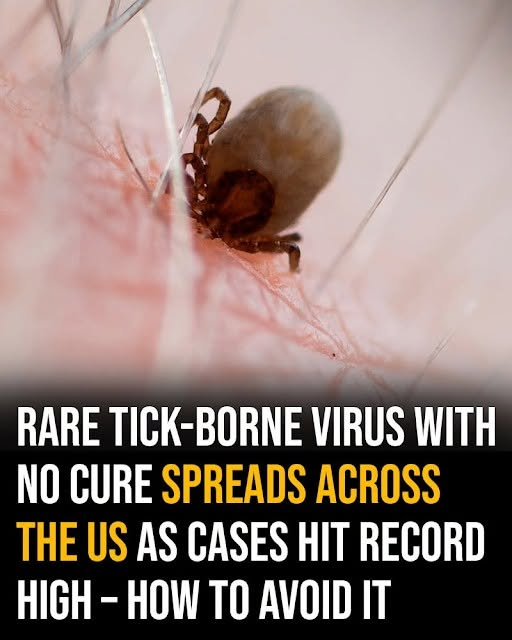
How to Remove a Tick Safely
If you discover an attached tick:
- Use fine-tipped tweezers.
- Grasp the tick close to the skin.
- Pull upward steadily without twisting.
- Clean the bite area with soap and water or rubbing alcohol.
- Wash your hands thoroughly.
Avoid folk remedies such as petroleum jelly, nail polish, heat, or burning the tick, as these methods are not recommended.
Are Cases Increasing?
Reported Powassan virus infections have generally increased over the past decade, though the disease remains rare. Public health experts attribute the rise to a combination of factors, including expanded tick habitats, greater awareness among healthcare providers, increased outdoor recreation, and improvements in surveillance and laboratory testing.
Even with this increase, Powassan virus infections are still far less common than other tick-borne diseases such as Lyme disease. However, because the illness can be severe, health authorities encourage people living in or traveling to affected areas to take preventive measures seriously.
Climate and Tick Expansion
Scientists are also studying how environmental changes may influence tick populations.
Warmer temperatures, changing rainfall patterns, and shifts in wildlife habitats may allow ticks to expand into new geographic areas.
As deer and small mammals move into suburban neighborhoods, opportunities for human exposure may increase.
Researchers continue monitoring these trends to better understand future risks and guide public health responses.
When Should You See a Doctor?
Seek medical attention promptly if you develop symptoms such as fever, severe headache, confusion, weakness, difficulty speaking, seizures, or loss of coordination after spending time in tick-prone areas.
Although many illnesses can cause similar symptoms, early evaluation can help doctors determine whether additional testing or hospital care is needed.
If you find a tick attached to your body but have no symptoms, monitor your health over the following weeks and contact your healthcare provider if you become ill.
The Bottom Line
Powassan virus remains a rare disease, but its potential severity makes prevention especially important. Because there is no specific cure or vaccine, avoiding tick bites is the most effective defense.
Simple habits—wearing protective clothing, using insect repellent, checking yourself and your pets after outdoor activities, and removing ticks promptly—can significantly reduce your risk.
Most people who spend time outdoors will never encounter an infected tick, and the overall risk of Powassan virus remains low. Still, awareness is one of the best tools for staying safe. By understanding where ticks live, recognizing the symptoms of tick-borne illness, and taking sensible precautions, you can continue to enjoy nature while minimizing the chance of infection.
Whether you’re hiking through a forest, working in your backyard, or exploring a local park, a few extra minutes spent on tick prevention can make a meaningful difference for your health and your family’s well-being.
If you’re publishing this online, I can also optimize the article for SEO with a meta title, meta description, FAQ section, and keyword-rich headings.