When phosphorus takes precedence over calcium
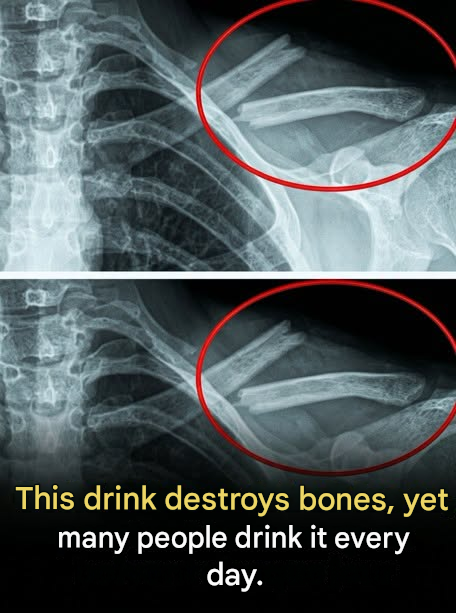
Colas owe their tangy taste to phosphoric acid. The problem is that this component disrupts the delicate balance between phosphorus and calcium in your body. And it’s precisely this duo that ensures the strength of your skeleton. A large American study of 2,500 women revealed a striking finding: those who regularly drank cola had reduced bone density in their hips. And this occurred without any warning signs.
Caffeine, a calcium thief
Caffeine, well-known for its stimulating properties, has a much less publicized side effect: it accelerates the elimination of calcium through urine. Less calcium in the blood means less raw material to strengthen your bones. If your calcium intake is already low, the impact is amplified. Teenagers, menopausal women, and seniors are the primary targets of this mechanism.
Sugar, an enemy that dare not speak its name
Sodas are veritable sugar bombs. Chronic excess sugar fuels inflammation in the body, a process that accelerates bone demineralization. Not to mention that sugar contributes to weight gain, which mechanically increases the risk of fractures. The reasoning is irrefutable: the more soda you drink, the weaker your bones become.
The trap of substitution
The real danger comes not only from what you consume, but also from what you neglect. By choosing a soda, you often reject far more beneficial drinks like milk or fortified plant-based milks. As a result, your calcium intake drops, even though it’s crucial for maintaining bone health. A study conducted on teenage girls even established a direct link between regular soda consumption and an increased risk of fractures.

Should all cans be thrown in the bin?
Don’t panic: an occasional soda won’t harm your bones. The key is moderation. Here are a few simple tips to protect your skeleton every day:
Reduce your intake of colas, which are the richest in phosphoric acid. Make sure you meet the recommended daily calcium intake, between 900 and 1,200 mg according to French health authorities. Don’t forget vitamin D, especially in winter, as it helps calcium to be properly absorbed. Get regular exercise: walking, cycling, strength training—anything that promotes bone density is good. Finally, stay hydrated with healthier drinks: still or sparkling water, herbal teas, milk, or fortified plant-based beverages.
A small step for strong bones for a long time
Some experts believe that reducing soda consumption can have a greater impact on health than other lifestyle changes. Surprising? Perhaps. But when it comes to prevention, the simplest actions often have the greatest effects. So, the next time you’re tempted by a soda, think of your skeleton… and offer it a large glass of water. In twenty years, it will thank you.