The Importance of Looking at the Whole Picture
Healthcare professionals rarely make conclusions based on a single symptom.
Nail changes are just one piece of a larger puzzle.
When evaluating health concerns, doctors consider:
- Symptoms
- Medical history
- Physical findings
- Laboratory results
- Imaging studies when needed
This broader perspective helps avoid unnecessary fear and ensures accurate diagnosis.
Why Viral Health Claims Can Be Misleading
Social media often rewards dramatic headlines.
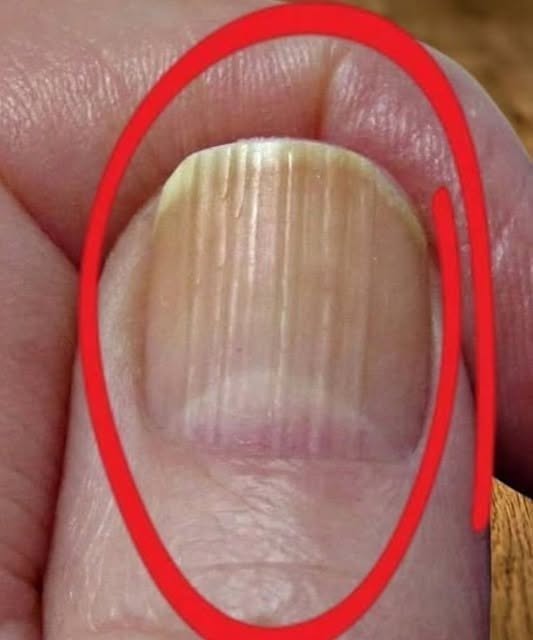
Statements such as “If you have this line on your nail, you have cancer” attract attention because they provoke strong emotions.
Unfortunately, such claims often oversimplify complex medical realities.
Health conditions rarely present in exactly the same way for every person.
Responsible health information should encourage awareness without creating unnecessary alarm.
Final Thoughts
Nail lines can be fascinating because they sometimes provide clues about what’s happening inside the body. However, most lines, ridges, and grooves are not signs of cancer.
Many nail changes are related to aging, minor injuries, nutritional factors, or temporary disruptions in nail growth.
While certain unusual nail changes can occasionally signal a more serious issue, including rare forms of cancer, they are the exception rather than the rule.
The best approach is to pay attention to new or changing nail abnormalities, maintain healthy lifestyle habits, and seek professional medical advice when something appears unusual or concerning.
Your nails can tell an interesting story about your health—but they should never be used to diagnose serious diseases without proper medical evaluation.
By staying informed and avoiding sensational claims, you can make better decisions about your health and recognize when expert guidance is truly needed.